In Budapest, you can’t swim in the Danube, aside from two exceptions: the free Római Open-Air Beach and the paid Kopaszi-gát Beach. To better endure Budapest’s summer heat waves, city residents need access to as many free bathing areas as possible from late spring to early autumn.
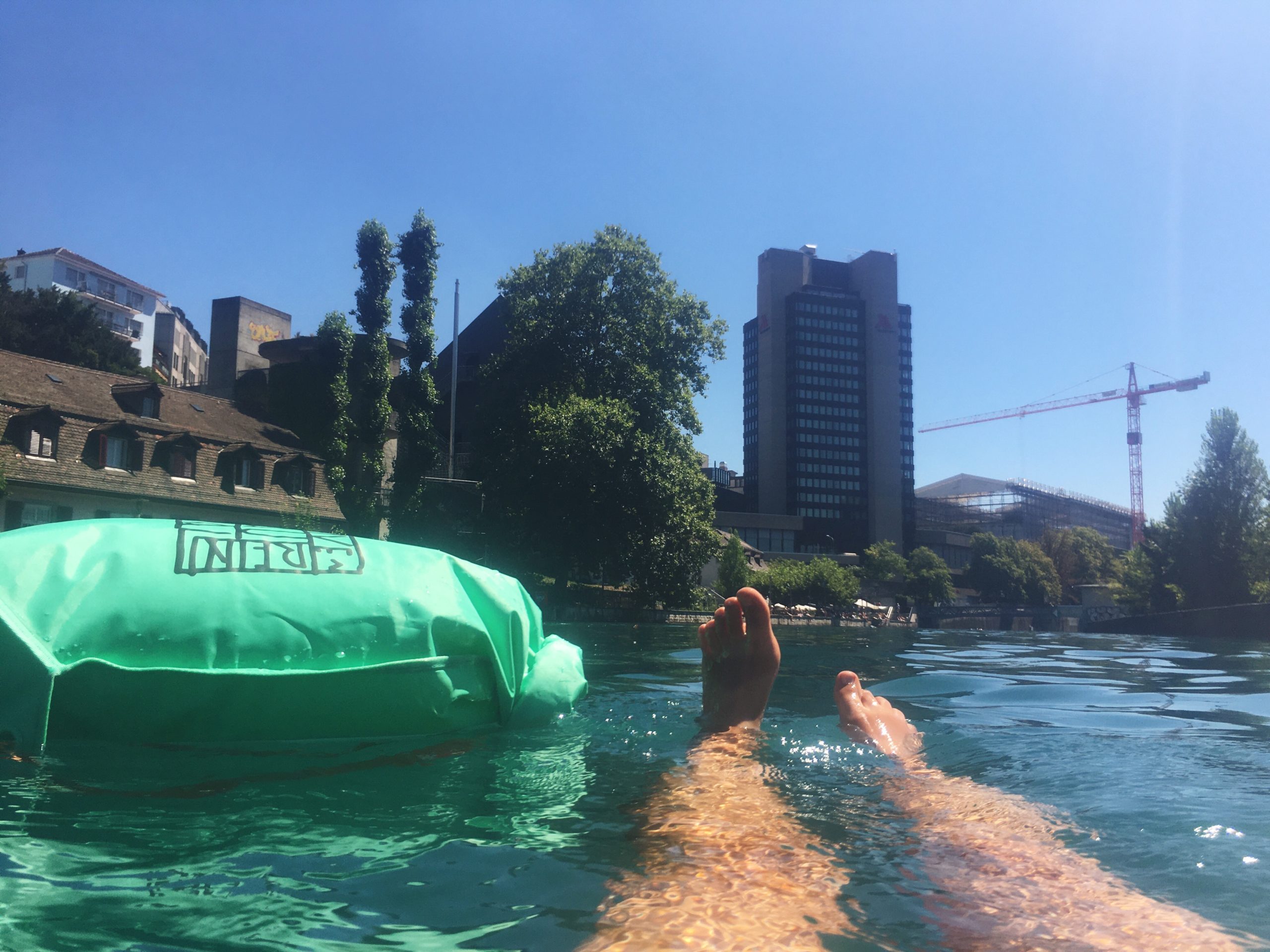
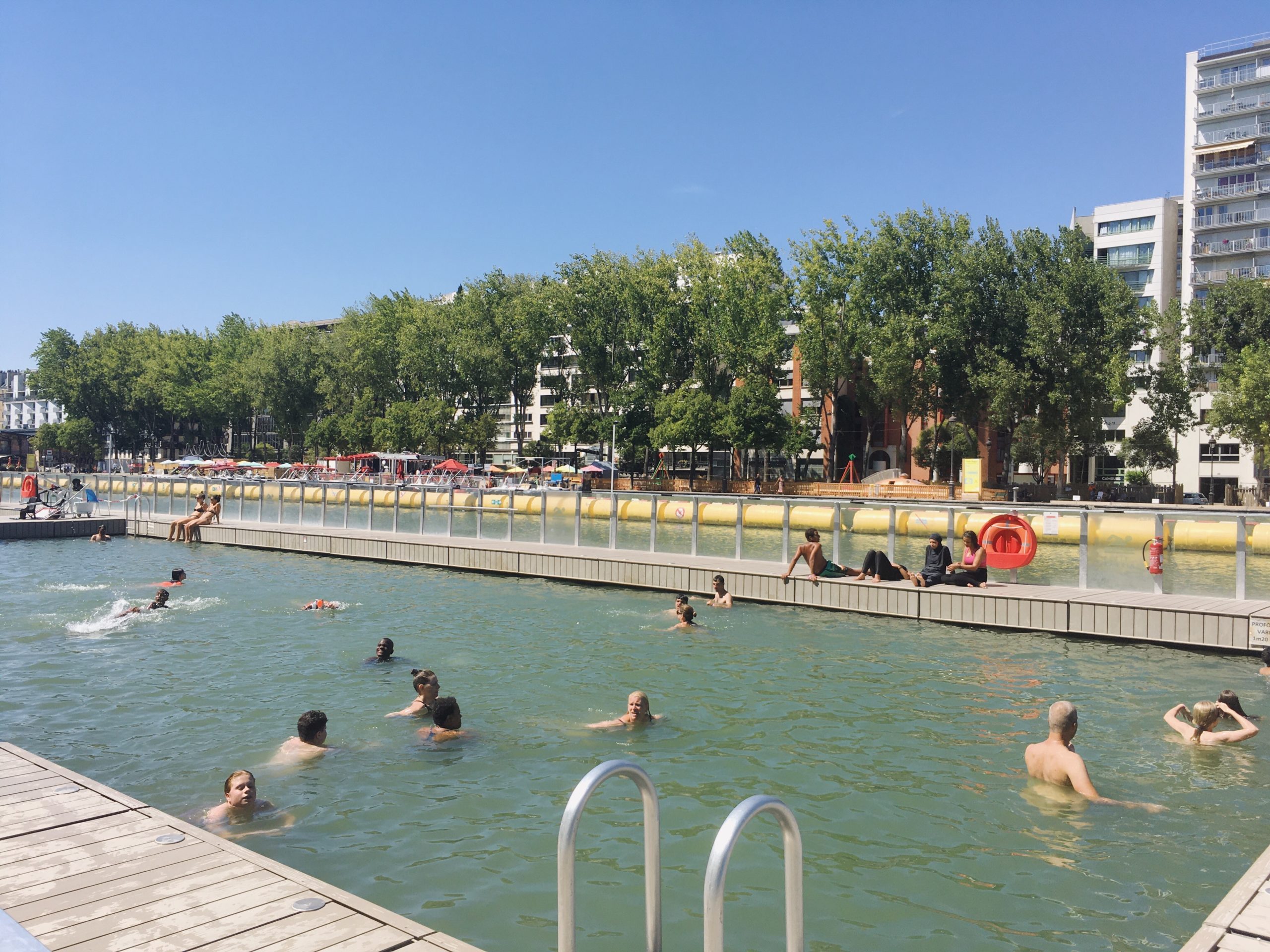
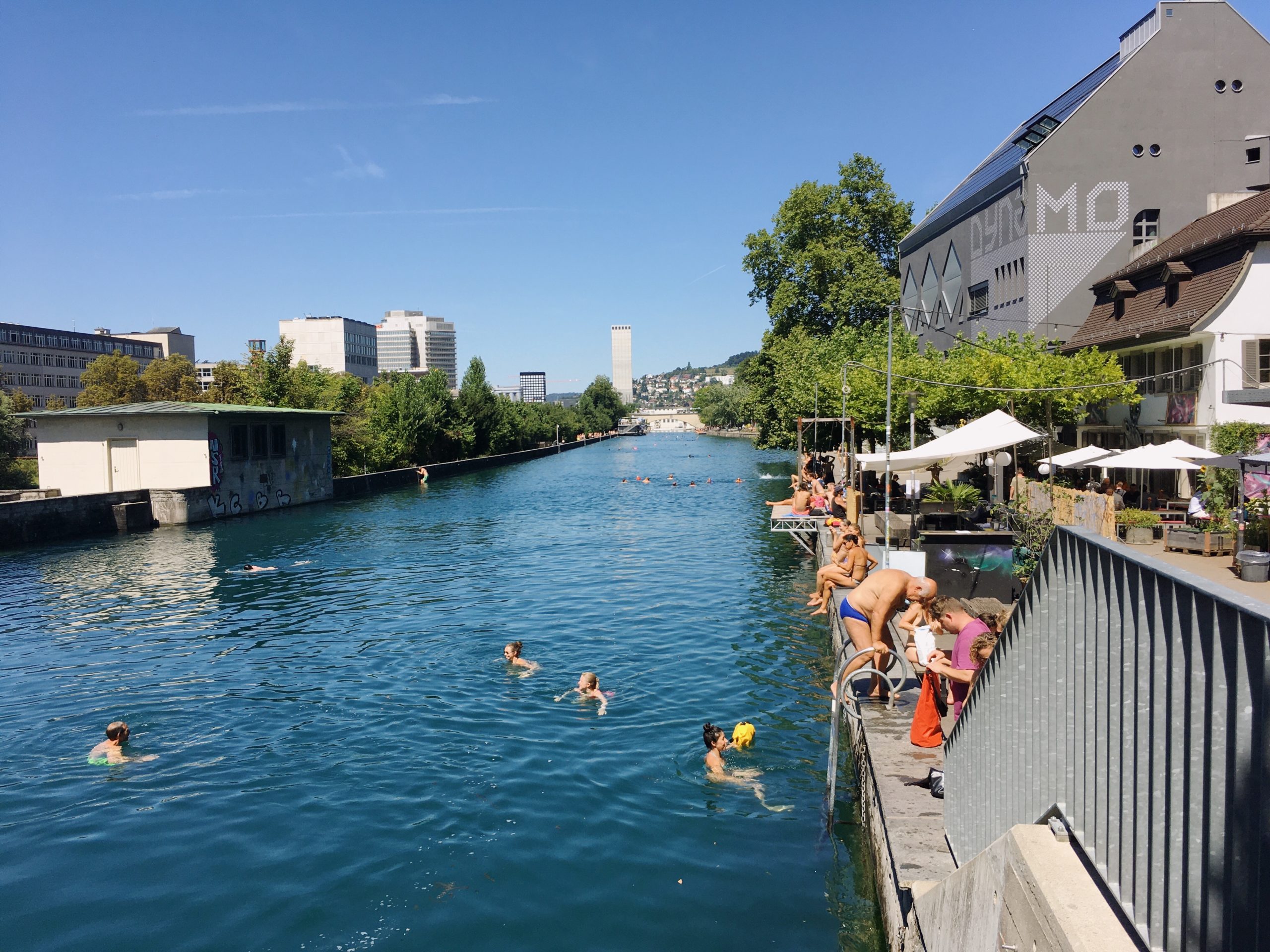
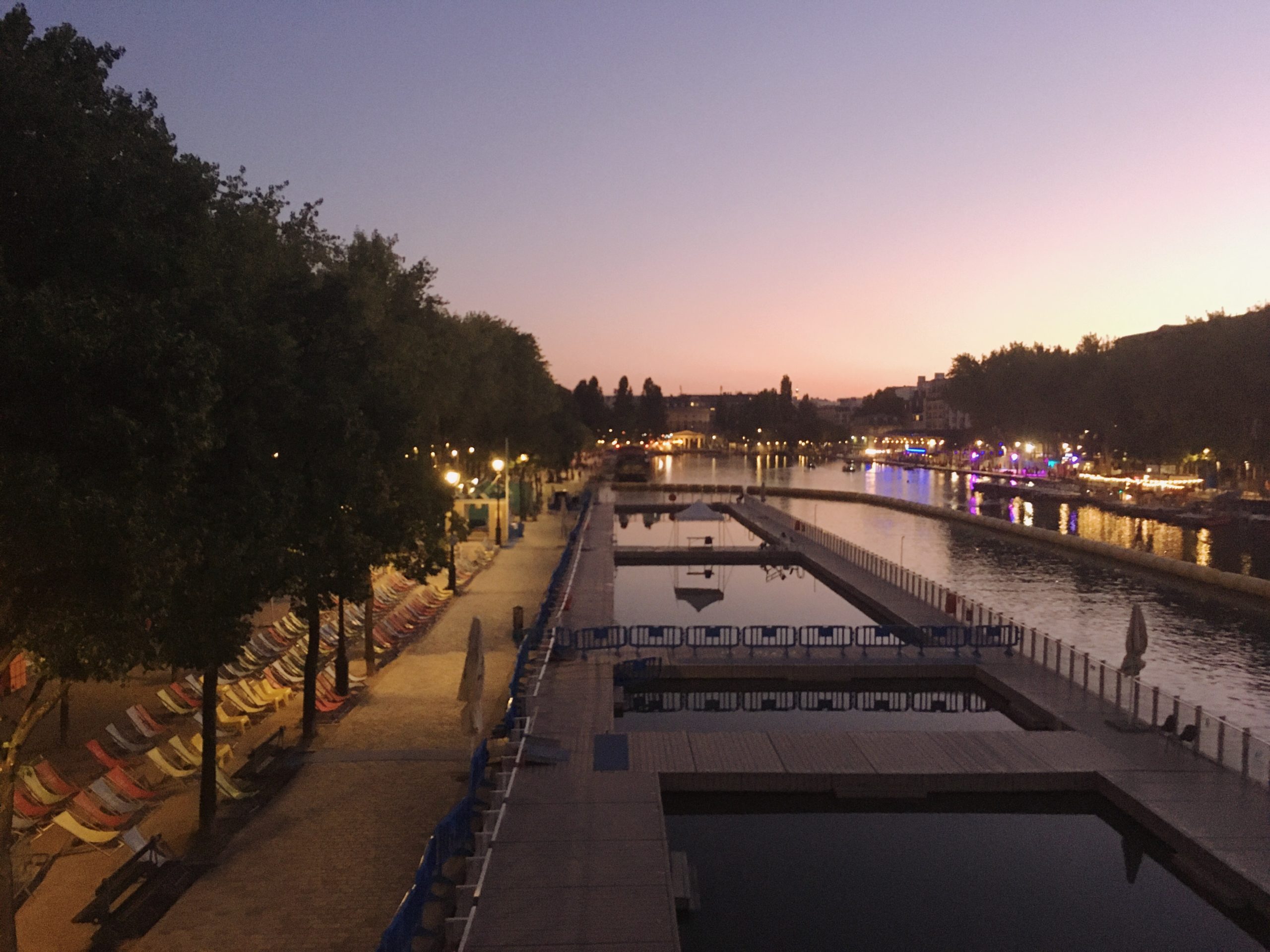
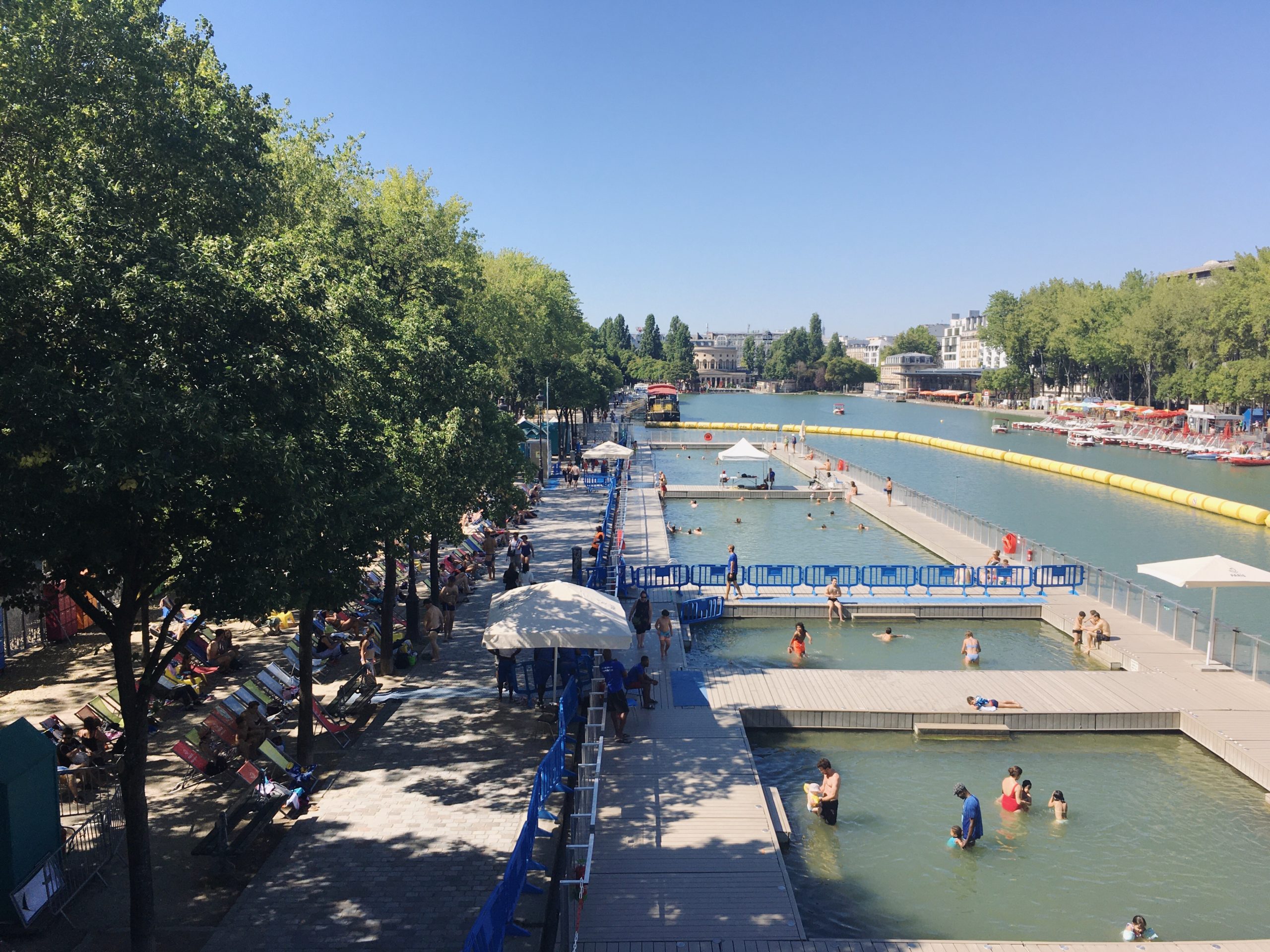
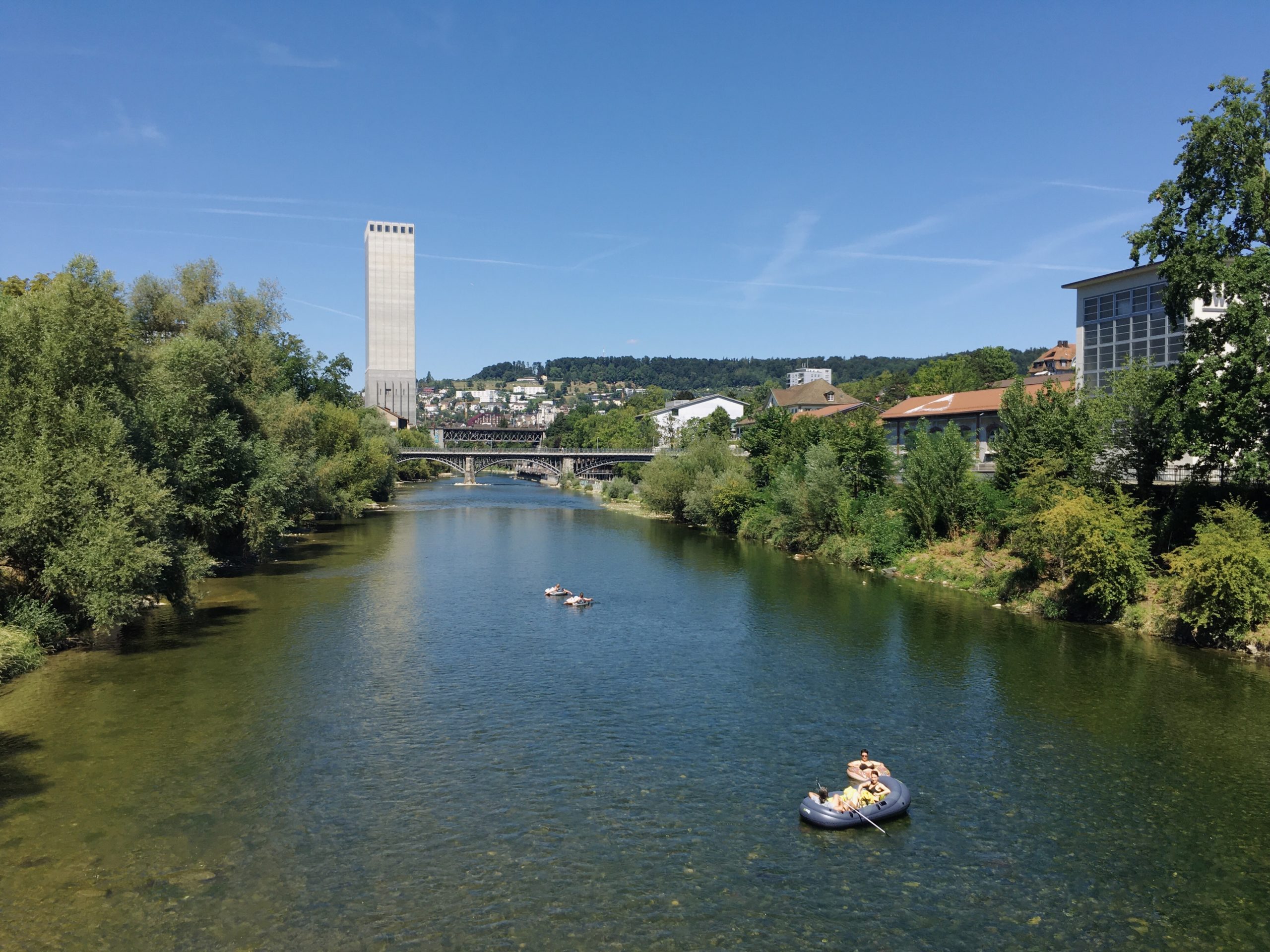
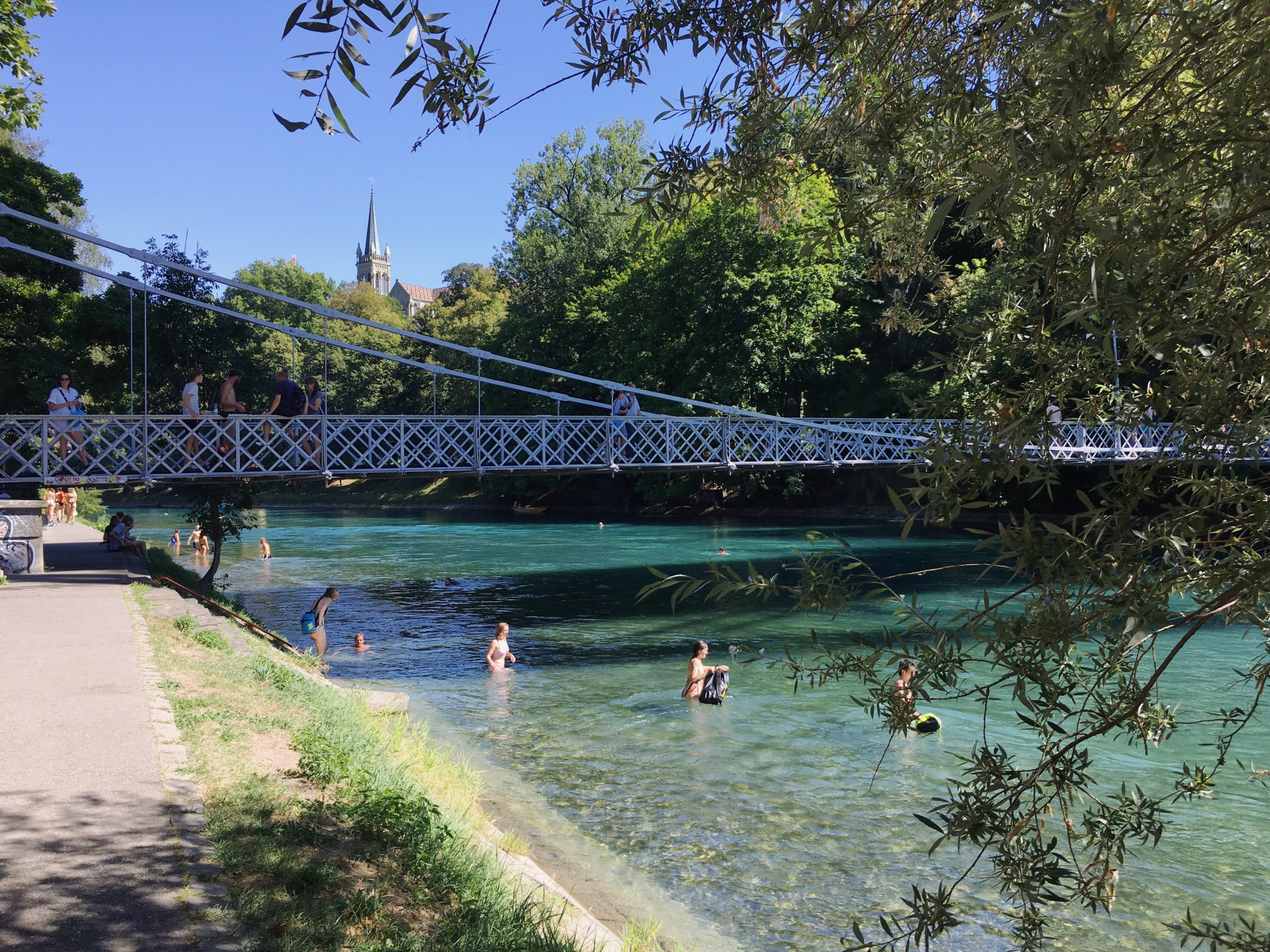
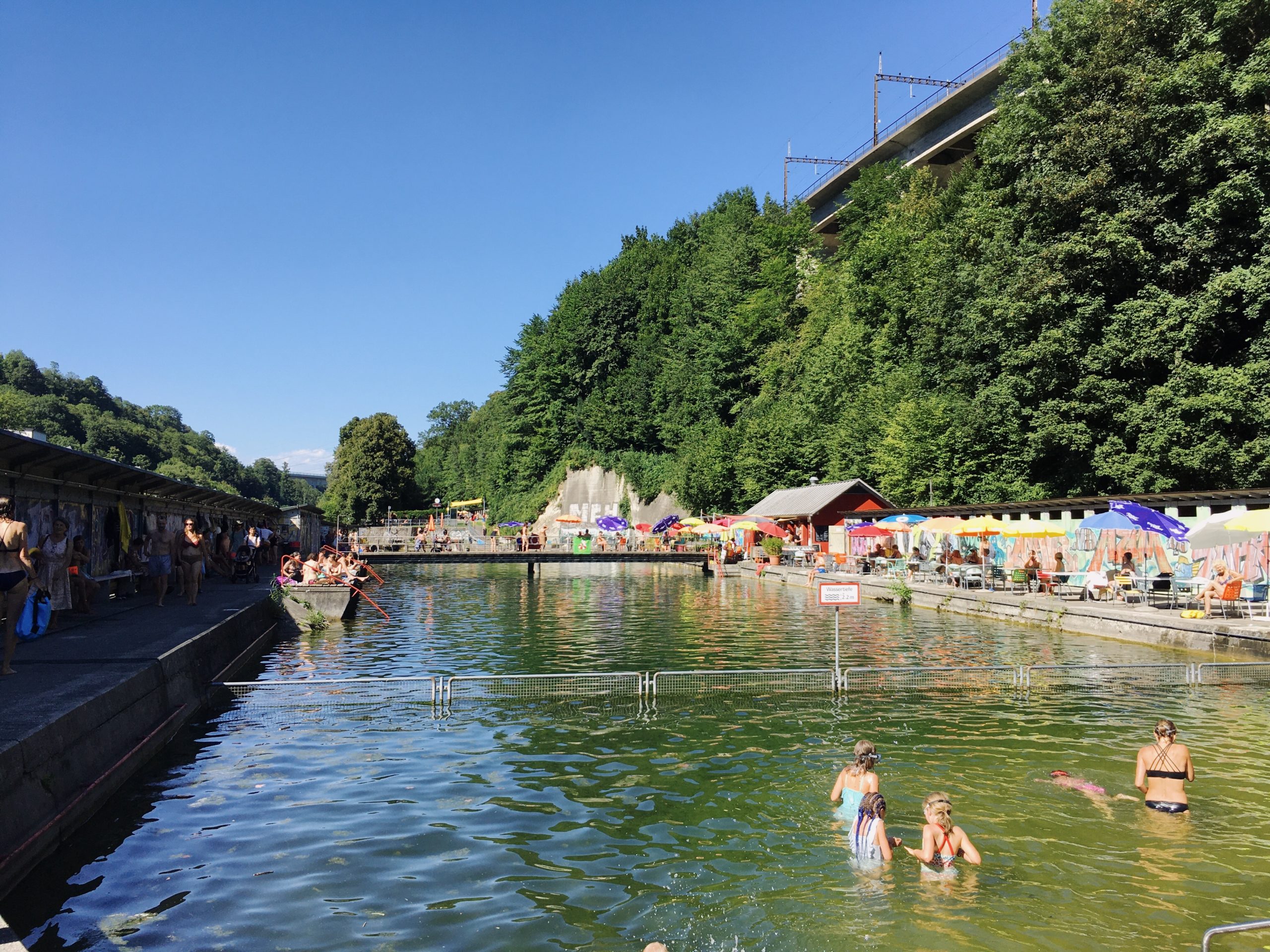
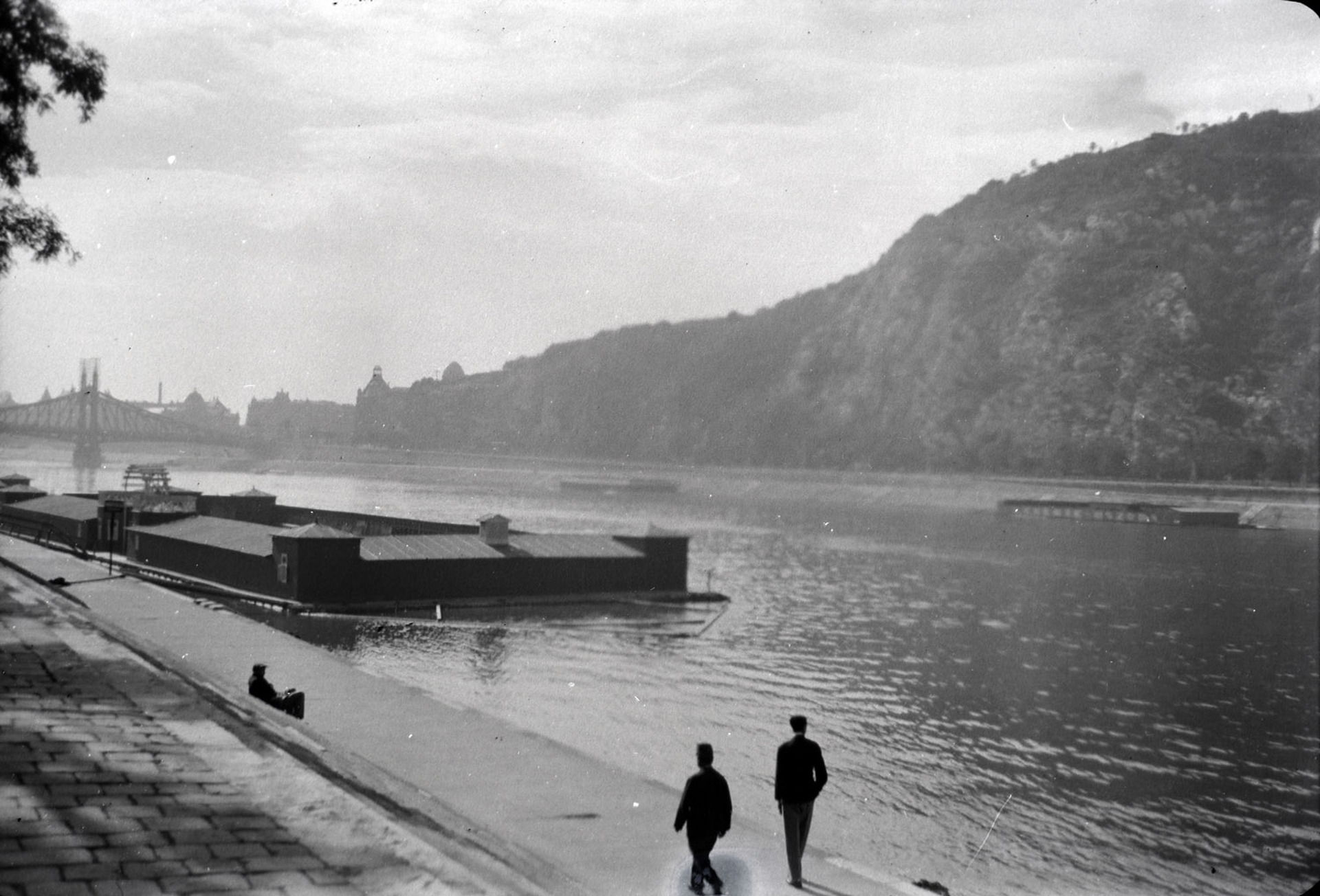
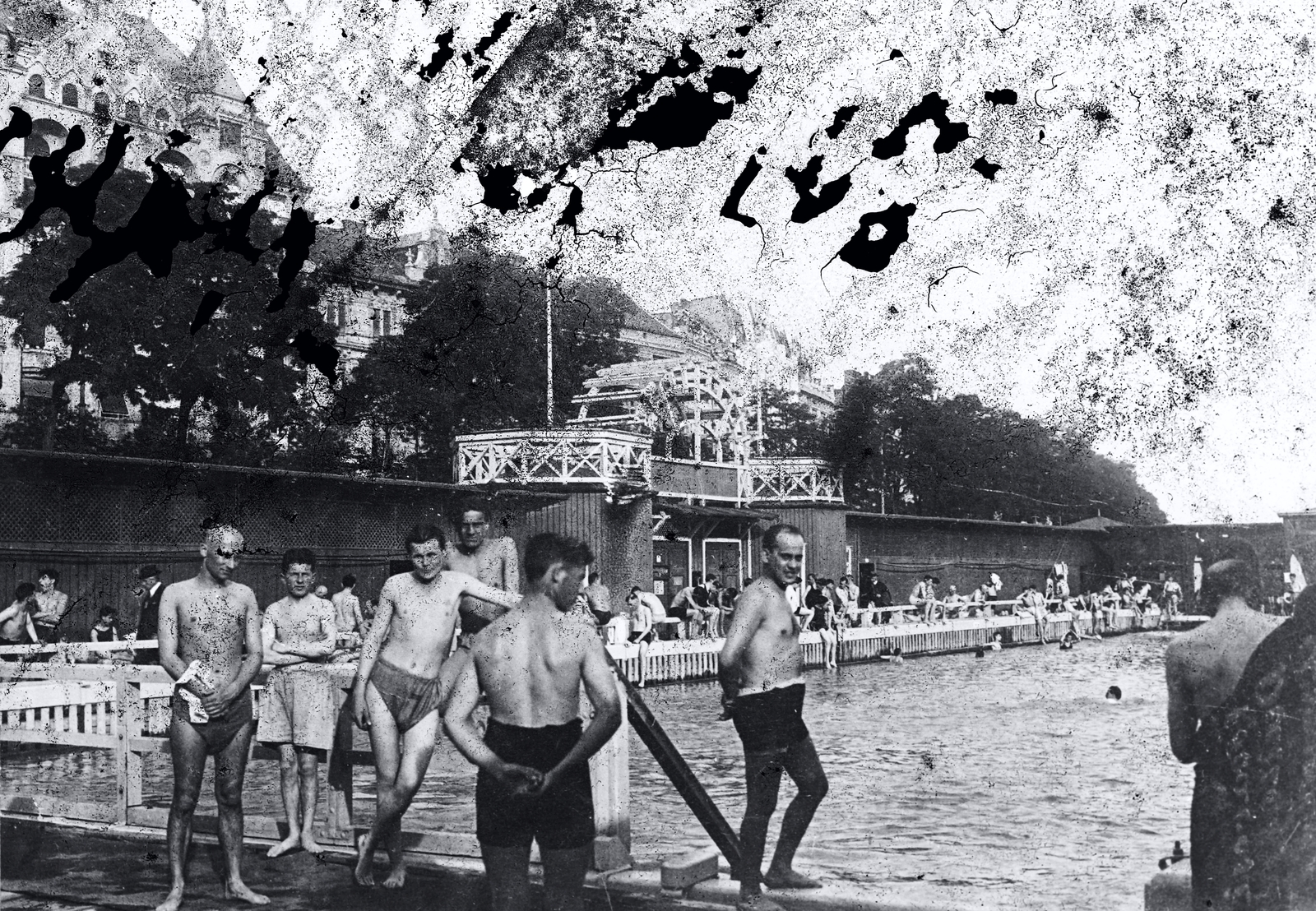
Numerous contemporary international examples prove that safe bathing is possible even in rivers with currents similar to the Danube. More than ten river swimming pools, so-called Danube baths, operated in Budapest until the mid-20th century. A river swimming pool is a wooden structure that floats on the water with the river flowing beneath it. The structure is safe because a metal mesh grid floats within it, preventing swimmers from being swept away, they can be rescued just as from a regular pool. Although Budapest was full of such wooden swimming pools during the 19th century, there’s currently a lack of determination at the municipality level to restore Danube bathing in Budapest.
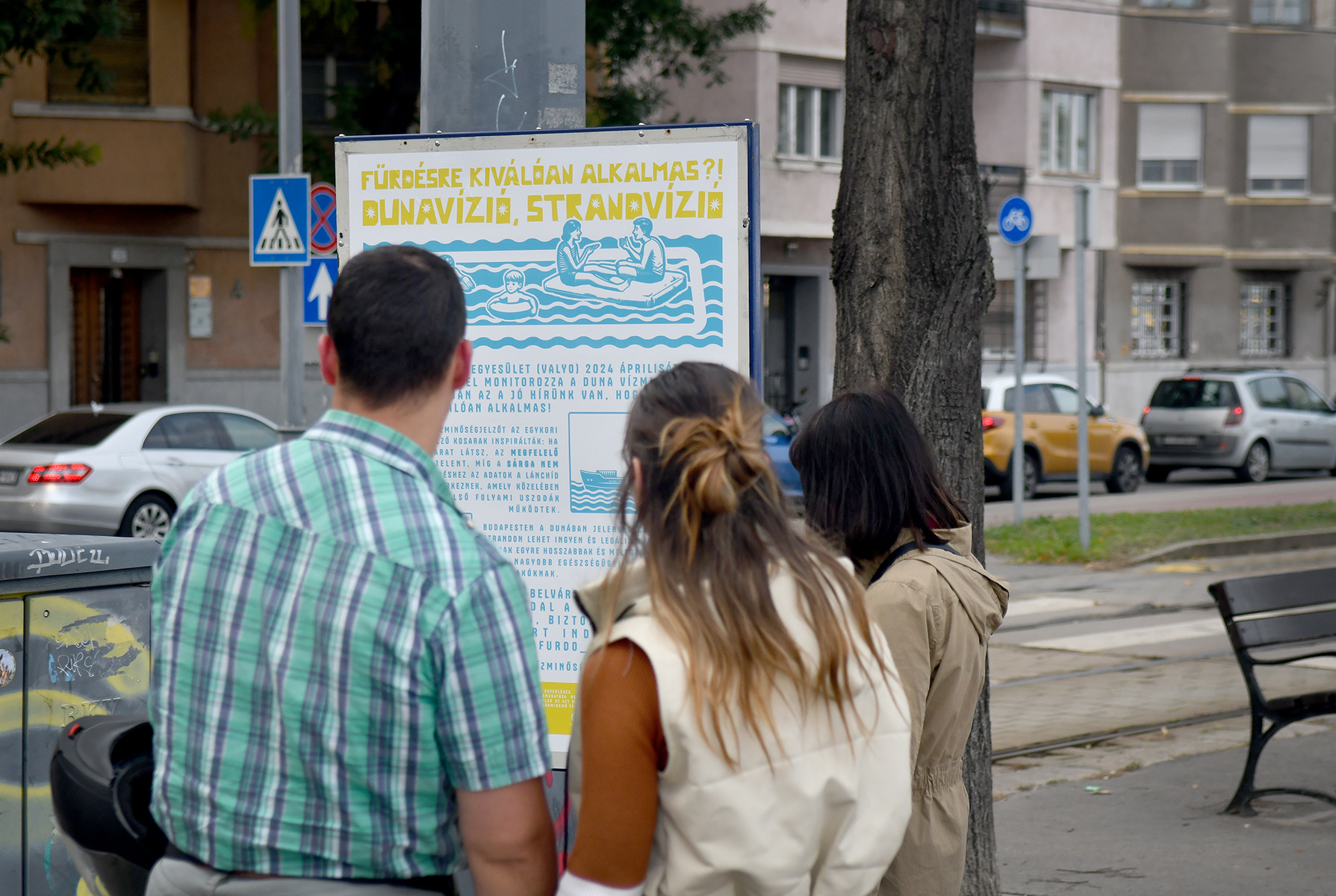
With the Perfectly suitable for bathing?! campaign, our goal is to explore the legal, spatial, infrastructural, and water quality aspects of Danube bath feasibility, propose concrete locations, and compile this into accessible materials. Through this campaign, we aim to advance the process so that in a few years, at least one (and long-term, several) river swimming pools and Danube baths will once again operate along the downtown Danube section.
Our campaign for the feasibility of river swimming pools and Danube baths represents the right to high-quality environmental protection and citizens’ rights to health and a clean environment, by enabling every Budapest resident to cool off safely during summer heat waves.
Currently, citizens interested in Danube water quality data face difficulty accessing it. One important element of the campaign is conducting E.coli and Enterococcus testing at four locations during beach season. We perform accredited measurements at four sites (northern tip of Óbuda Island, id. Antall József rakpart, Szent Gellért square, end of Hengermalom út) four times, with data available at dunaviz.info
Additionally, at one former Danube bath location (Szent Gellért square), and on the Pest lower embankment (id. Antall József rakpart), we take weekly water samples delivered to ELTE-TTK’s microbiology laboratory.
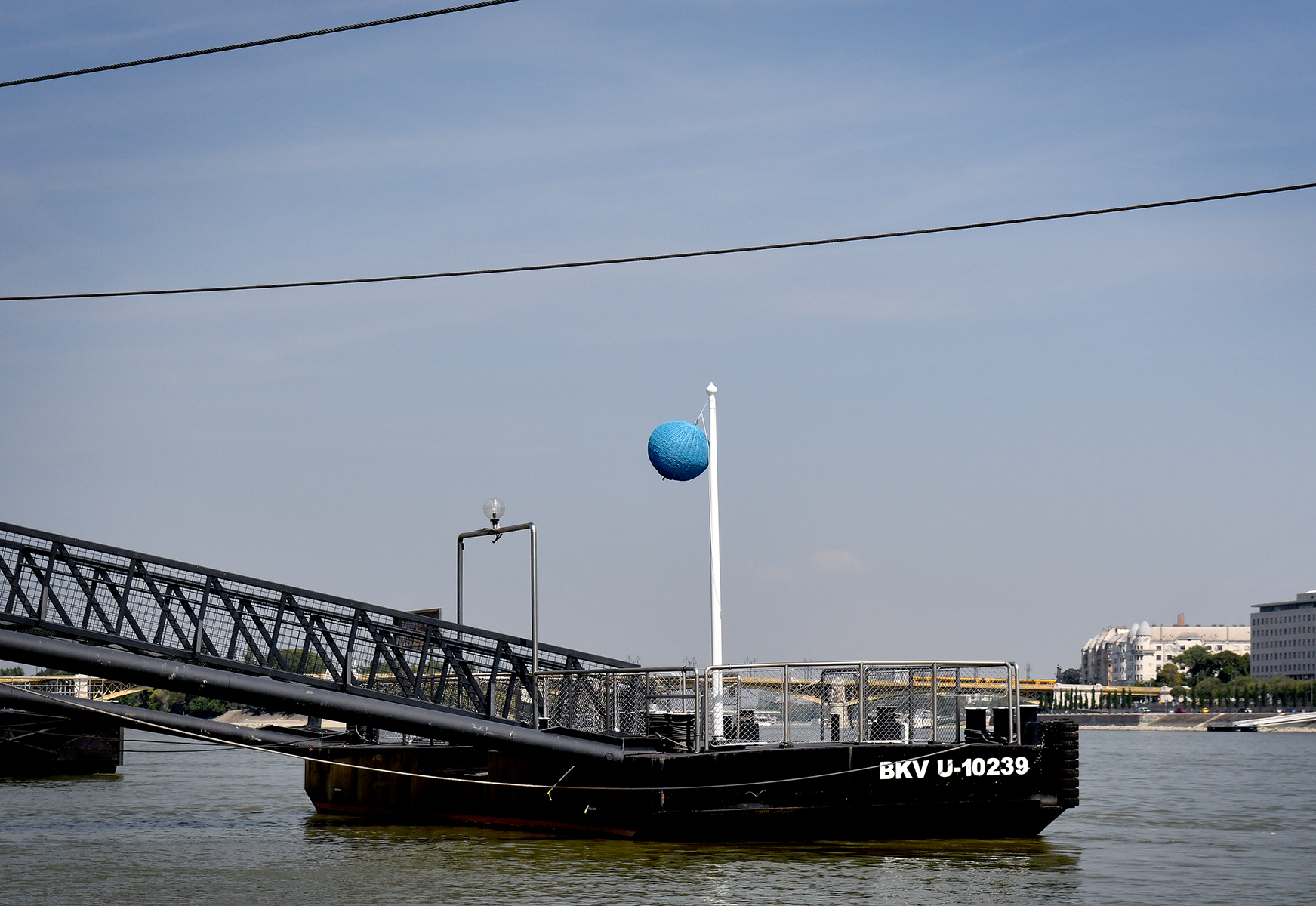
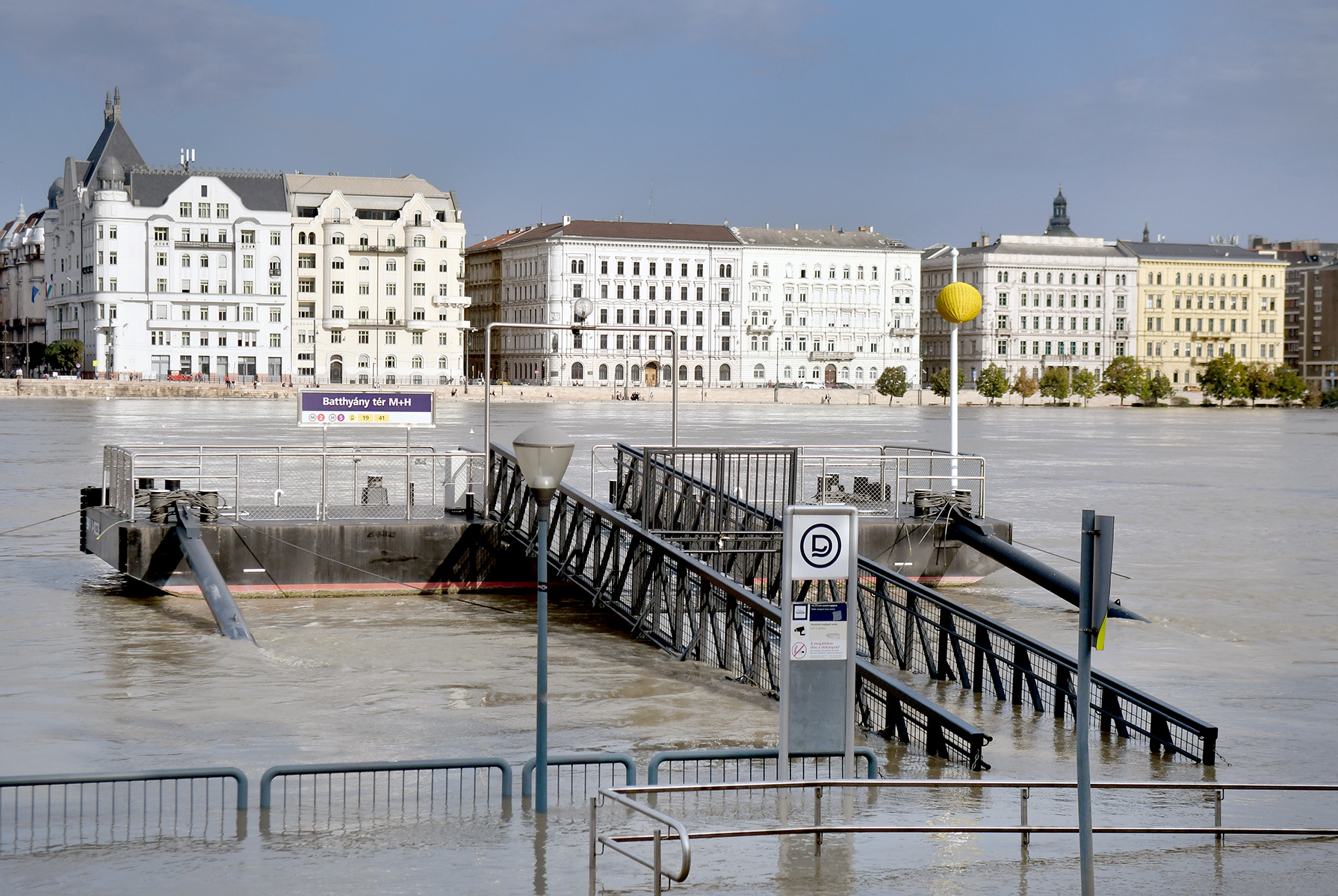
Starting in August, our water quality indicator installation is also visible on the BKK Batthyány square boat dock pontoon, inspired by the old Balaton storm warning baskets: if you see a BLUE basket, it indicates suitable water quality, while YELLOW means unsuitable. The measurement data comes from the Pest bridgehead of Chain Bridge, near where the first river swimming pools operated two hundred years ago.
For weekly water sampling, we welcome individuals and/or two-person teams to sign up via this form.
You can support our petition for Danube baths with your signature here: bit.ly/dunafurdo_peticio
This project is implemented with the support of the European Union’s “Citizens, Equality, Rights and Values” (CERV) programme. The European Commission’s support does not constitute approval of the activities implemented in the project, which reflects only the views of those implementing it, and the Commission cannot be held responsible for any use of this information.